
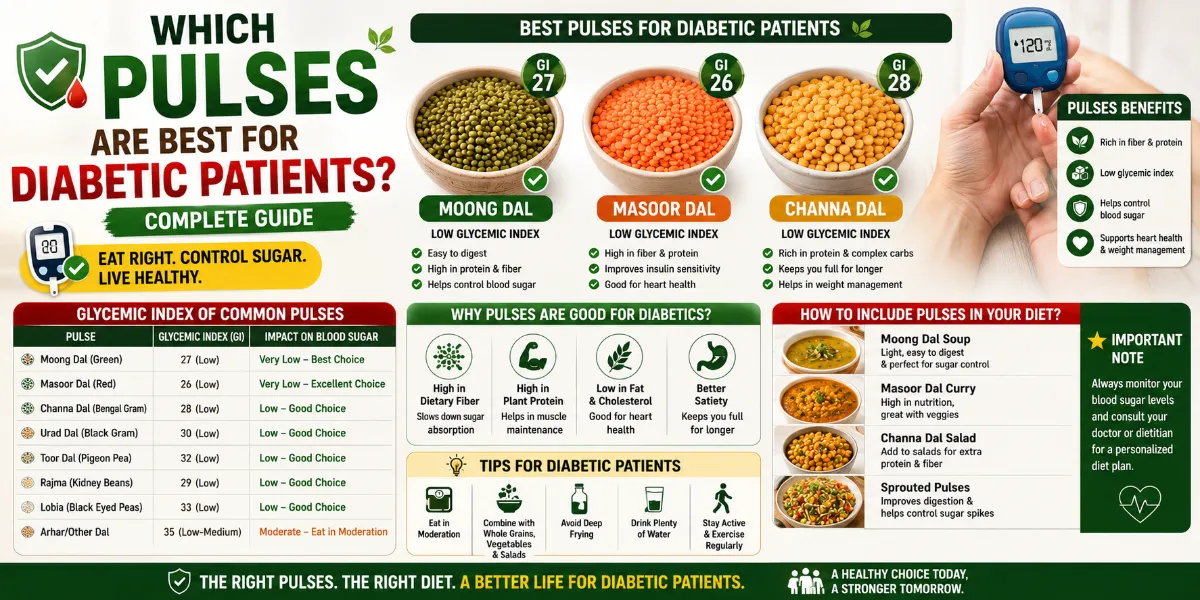
Which Pulses Are Best for Diabetic Patients? Complete Guide
Diabetes is one of the most pressing health challenges facing Pakistan today. Millions of people are living with this condition, and millions more are at risk. It is a silent struggle that affects every aspect of life. From the food you eat to the activities you do, diabetes demands constant attention and care.
One of the most challenging aspects of managing diabetes is diet. What can you eat? What should you avoid? These questions haunt diabetic patients and their families every single day. The wrong food can cause a dangerous spike in blood sugar. The right food can help keep it stable. The stakes are high.
Among the many foods that are debated, pulses hold a special place. Dal is a staple of the Pakistani diet. It is affordable, nutritious, and comforting. But for a diabetic patient, the question is crucial. Which pulses are safe? Which ones will not spike blood sugar levels? Which ones are actually beneficial?
This guide is designed to answer these questions. It covers the glycemic index of the most commonly consumed pulses in Pakistan: Moong Dal, Masoor Dal, and Channa Dal. It explains which ones are safest for diabetic patients. It provides practical tips on how to include them in your diet. This is a must-read for every diabetic patient and their family.
Understanding Diabetes and Diet
Before we dive into the specifics of pulses, let us first understand the connection between diabetes and diet. Diabetes is a condition in which your body cannot properly regulate blood sugar levels. This happens because your body either does not produce enough insulin or cannot use the insulin it produces effectively.
Insulin is a hormone that acts like a key. It unlocks your cells so that sugar from your food can enter and be used for energy. When this process does not work properly, sugar builds up in your bloodstream. This is called high blood sugar or hyperglycemia.
Over time, high blood sugar can damage your blood vessels, nerves, and organs. It can lead to serious complications like heart disease, kidney failure, nerve damage, and vision loss. This is why managing blood sugar is so important.
Diet plays a central role in managing blood sugar. The food you eat directly affects your blood sugar levels. Carbohydrates have the biggest impact. When you eat carbohydrates, they are broken down into sugar and released into your bloodstream. The faster this happens, the higher your blood sugar spikes. This is measured using the glycemic index (GI).
What Is the Glycemic Index?
The glycemic index is a ranking system for carbohydrates. It measures how quickly a food raises your blood sugar levels. Foods with a high glycemic index are digested quickly. They cause a rapid spike in blood sugar. Foods with a low glycemic index are digested more slowly. They cause a gradual, steady rise in blood sugar.
For diabetic patients, low glycemic index foods are generally preferred. They help keep blood sugar levels stable and prevent dangerous spikes. However, the glycemic index is not the only factor to consider. The amount of carbohydrates you eat also matters. This is called the glycemic load.
Pulses generally have a low glycemic index. This makes them an excellent choice for diabetic patients. However, different pulses have different GI values. Understanding these differences is key to making the right choices.
Why Pulses Are Good for Diabetes
Pulses are an excellent food for diabetic patients for several reasons.
Low Glycemic Index. As mentioned, pulses generally have a low GI. They release sugar slowly into the bloodstream. This helps prevent blood sugar spikes.
Rich in Fiber. Pulses are high in dietary fiber. Fiber slows down digestion. It also slows down the absorption of sugar. This helps keep blood sugar levels stable. Fiber also promotes a feeling of fullness, which can help with weight management.
High in Protein. Pulses are a good source of plant-based protein. Protein does not raise blood sugar levels. It also helps you feel full and satisfied. This can prevent overeating and snacking on unhealthy foods.
Nutrient-Dense. Pulses are rich in essential vitamins and minerals. They contain iron, magnesium, potassium, and B vitamins. These nutrients support overall health and well-being.
Affordable and Accessible. Pulses are one of the most affordable sources of nutrition. They are accessible to people of all income levels. This makes them a practical choice for diabetic patients who need to manage their diet on a budget.
Moong Dal: The Diabetic's Best Friend
Moong dal is one of the most popular pulses in Pakistan. It is light, easy to digest, and incredibly nutritious. For diabetic patients, it is often considered the best choice.
Nutritional Profile. Moong dal is rich in protein, providing about 24 grams per 100 grams. It is also high in dietary fiber. It contains important vitamins and minerals, including folate, magnesium, and potassium. It is low in fat.
Glycemic Index. Moong dal has a low glycemic index, typically ranging from 38 to 42. This means it releases sugar slowly into the bloodstream. It does not cause rapid spikes in blood sugar levels. This makes it an excellent choice for diabetic patients.
Health Benefits for Diabetics. The low GI and high fiber content of moong dal help stabilize blood sugar levels. It prevents the dangerous spikes that can occur after meals. The protein and fiber keep you feeling full for longer, reducing the urge to snack on unhealthy foods. It also supports weight management, which is important for diabetes control. Moong dal is low in fat and cholesterol-free, which supports heart health. The fiber helps reduce LDL or bad cholesterol levels. The potassium helps regulate blood pressure.
How to Include Moong Dal in Your Diabetic Diet. Moong dal is incredibly versatile. You can make a simple moong dal soup by cooking it with turmeric, salt, and water, and tempering with a small amount of ghee and cumin seeds. This is a light and nutritious meal. Moong dal khichdi, made with rice and moong dal, is a comforting dish. Use a small amount of rice and a larger proportion of dal to reduce the carbohydrate load. Moong dal chilla, a savory pancake made from soaked and ground moong dal, is a high-protein, low-carb breakfast option.
Precautions for Diabetics. While moong dal is generally safe, portion control is still important. Even low-GI foods can raise blood sugar if eaten in large quantities. Stick to a moderate portion size. Do not add too much oil or ghee, as this adds unnecessary calories and fat.
Masoor Dal: The Iron-Rich Option
Masoor dal is another staple in Pakistani households. It is loved for its quick cooking time and rich flavor. It is also a good option for diabetic patients.
Nutritional Profile. Masoor dal is rich in protein, providing about 26 grams per 100 grams. It is high in dietary fiber. It is an excellent source of iron, which is important for preventing anemia. It also contains potassium, magnesium, and B vitamins.
Glycemic Index. Masoor dal has a low glycemic index, typically ranging from 21 to 26. This is even lower than moong dal. It releases sugar very slowly into the bloodstream. This makes it one of the best choices for diabetic patients.
Health Benefits for Diabetics. The extremely low GI of masoor dal makes it one of the best choices for blood sugar control. The high iron content helps prevent and treat iron deficiency anemia, which is a risk for diabetics. Masoor dal is low in fat and cholesterol-free. The fiber helps reduce LDL cholesterol. The potassium and magnesium help regulate blood pressure. The high fiber content also supports digestive health and prevents constipation.
How to Include Masoor Dal in Your Diabetic Diet. Masoor dal cooks quickly and can be used in various dishes. A simple masoor dal cooked with turmeric, salt, and water, tempered with oil, onion, and spices, is a quick and delicious meal. You can also add chopped spinach, tomatoes, or other vegetables to the dal for added fiber and nutrients. Masoor dal soup is a light and nutritious option, perfect for a light meal.
Precautions for Diabetics. Masoor dal is generally safe. However, it can cause gas in some people. If you have a sensitive stomach, introduce it gradually. Also, be mindful of the tempering. Use a small amount of oil or ghee. Do not add too much salt.
Channa Dal: The Fiber-Rich Option
Channa dal is a favorite in many Pakistani dishes. It has a slightly nutty flavor and a firmer texture. It is also a good option for diabetic patients.
Nutritional Profile. Channa dal is rich in protein, providing about 25 grams per 100 grams. It is high in dietary fiber. It is rich in folate, iron, and potassium. It also contains magnesium and zinc.
Glycemic Index. Channa dal has a moderate glycemic index. It typically ranges from 28 to 40. This is higher than masoor dal but still within the low-to-moderate range. This means it releases sugar more slowly than high-GI foods but slightly faster than masoor dal.
Health Benefits for Diabetics. Channa dal's low-to-moderate GI helps stabilize blood sugar and prevents rapid spikes. The high fiber content promotes satiety and keeps you feeling full for longer, which is beneficial for weight management. Channa dal is low in fat and cholesterol-free. The fiber helps reduce LDL cholesterol. The potassium helps regulate blood pressure. It is also a good source of magnesium and zinc, which support bone health.
How to Include Channa Dal in Your Diabetic Diet. Channa dal is versatile and can be used in various dishes. A simple channa dal cooked with turmeric, salt, and water, tempered with ghee, garlic, and spices, is a flavorful option. Adding spinach to the dal provides extra fiber and nutrients. A channa dal salad, made with soaked and boiled channa dal mixed with chopped vegetables and a light dressing, is a refreshing and healthy choice.
Precautions for Diabetics. Channa dal has a slightly higher GI than masoor dal. Monitor your portion sizes. Do not eat too much at one meal. Also, channa dal is heavier and more difficult to digest. Introduce it gradually if you have a sensitive stomach.
Other Pulses for Diabetics
While moong, masoor, and channa dal are the most commonly consumed, other pulses are also beneficial for diabetics.
Lobia (Cowpeas). Lobia has a low GI and is rich in protein and fiber. It is a good option for diabetics. It also contains antioxidants that help reduce inflammation.
Whole Urad Dal (Black Gram). Whole urad dal has a low GI. It is rich in protein and fiber. However, it is heavier and more difficult to digest. It should be consumed in moderation.
Chickpeas (Kabuli Channa). Chickpeas have a low GI. They are rich in protein and fiber. They are a great addition to a diabetic diet.
Important Tips for Diabetic Patients When Eating Pulses
Portion Control. Even low-GI foods can raise blood sugar if eaten in large quantities. Stick to a moderate portion size. A typical serving is about half to one cup of cooked dal.
Combine with Other Foods. Pair pulses with vegetables and a small amount of healthy fat. This slows down digestion further. It also provides a more balanced meal.
Monitor Your Blood Sugar. Everyone reacts differently to food. Monitor your blood sugar levels after eating pulses. This will help you understand how your body reacts.
Choose the Right Cooking Method. Avoid cooking pulses with too much oil, ghee, or sugar. Use minimal oil. Use spices like turmeric, cumin, and ginger. These spices have anti-inflammatory properties and may help with blood sugar control.
Introduce Gradually. If you are not used to eating pulses, introduce them gradually. This allows your digestive system to adjust. It also helps you monitor your blood sugar response.
Soak Pulses Before Cooking. Soaking pulses reduces cooking time. It also reduces the levels of antinutrients, which can interfere with nutrient absorption.
Avoid Overcooking. Overcooked pulses have a higher glycemic index. Cook them until they are soft but not mushy.
Discuss with Your Doctor. Always consult your doctor or dietitian before making significant changes to your diet. They can provide personalized advice.
The Role of Malik Fayaz Traders in Your Diabetes Management
At Malik Fayaz Traders, we understand the importance of diet in managing diabetes. We are committed to providing high-quality pulses that are fresh, pure, and nutritious. Our pulses are sourced from trusted suppliers. We ensure they are free from adulteration and contamination.
We offer a wide variety of pulses, including moong dal, masoor dal, channa dal, and lobia. All our products are available at genuine wholesale mandi prices. We offer free delivery in Burewala city. You can order from the comfort of your home and receive fresh, quality products at your doorstep.
Final Thoughts
Managing diabetes is a journey. It requires awareness, discipline, and the right choices. Pulses are a powerful tool in this journey. They are affordable, nutritious, and effective at controlling blood sugar. Among the different types, masoor dal, moong dal, and channa dal stand out as excellent options.
Masoor dal has the lowest glycemic index and is rich in iron. It is an excellent choice for keeping blood sugar stable. Moong dal is light, easy to digest, and gentle on the stomach. Channa dal is rich in fiber and promotes satiety. All three are beneficial. Choose the ones that best suit your taste, digestive tolerance, and nutritional needs.
Remember, diabetes management is not just about what you eat. It is also about portion control, regular exercise, and regular check-ups. Use this guide as a starting point. Consult your doctor. Make informed choices.
Your health is your greatest asset. Protect it. Visit Malik Fayaz Traders for all your grocery and pulse needs. We are here to support you on your health journey